

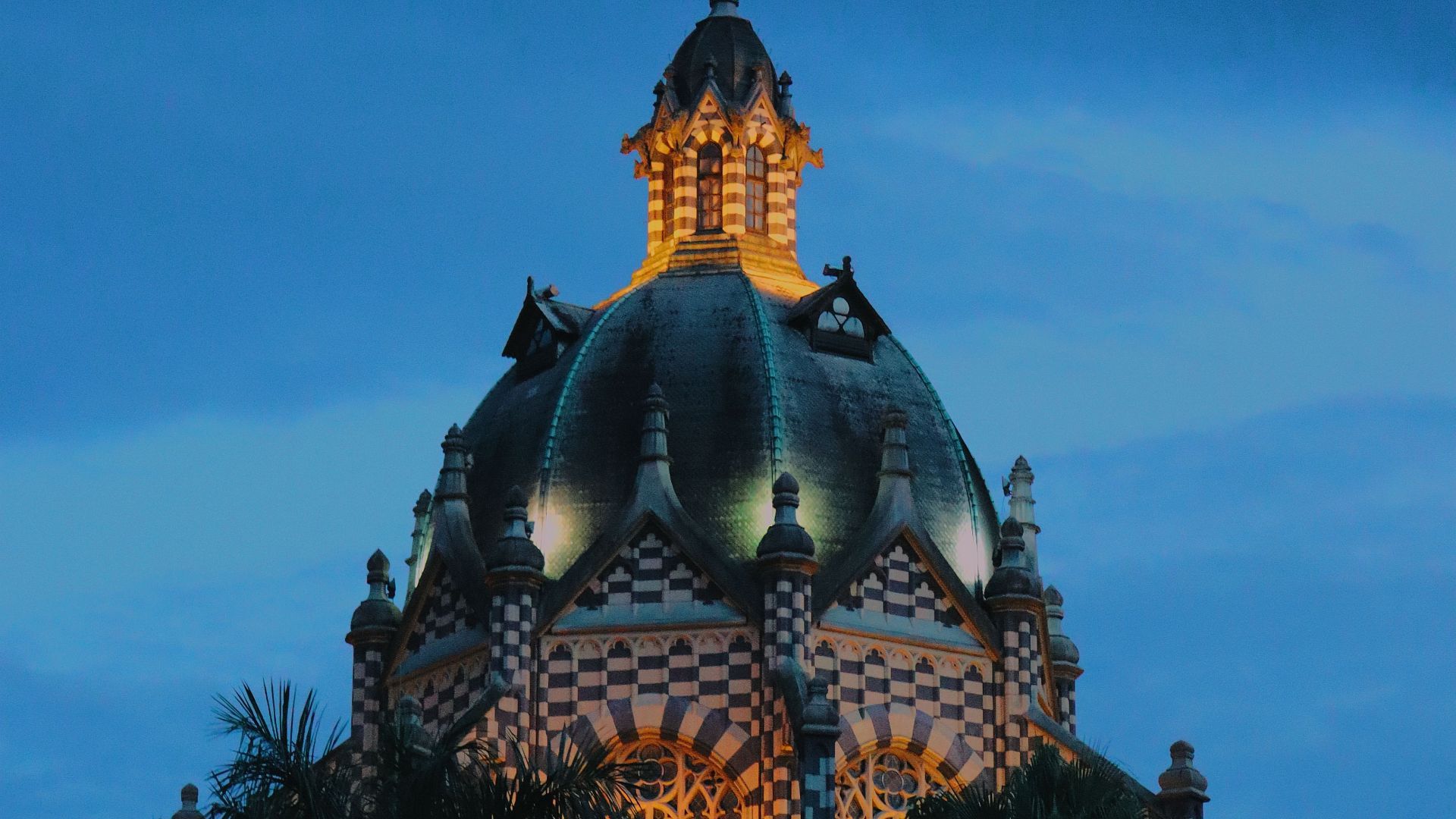
Medellín often appears on travel itineraries because of its nightlife, viewpoints, restaurants, Comuna 13 or nearby day trips. However, there is another way to experience the city: one that is slower, more local and more connected to its cultural transformation. For travelers who want to go beyond the party scene and the most repeated attractions, Medellín can also be explored through its creative neighborhoods.
These areas are not always designed as “tourist attractions” in the traditional sense. They are not necessarily places to visit with a fixed list of monuments or mandatory stops. Their charm lies in walking, observing, stepping into a café, finding a small shop, discovering an interesting façade, passing by a design studio or simply watching everyday life unfold.
That is exactly what makes them special. Medellín is not fully understood only by visiting its most famous places. It is also understood through its in-between streets, its former industrial areas, its residential corners and its less obvious neighborhoods where art, food, fashion, music, architecture and entrepreneurship come together.
One of the best examples is Perpetuo Socorro, an area close to downtown Medellín that was historically associated with workshops, warehouses, car dealerships and industrial activity. Today, the neighborhood has become one of the city’s most interesting creative districts. Audiovisual studios, local brands, cultural spaces, restaurants, cafés, design projects and industrial-style architecture coexist in the same area.
Perpetuo Socorro is not a place to rush through. It is a neighborhood to walk slowly, pay attention to details and understand how Medellín has been transforming spaces that were once outside the usual tourist circuit. Its appeal is not based on a single photo, but on the mix: old buildings, new food concepts, art, design, music and the feeling of a city constantly reinventing itself.
Another area that offers a creative side of Medellín is Ciudad del Río. Located near the Museum of Modern Art of Medellín, this neighborhood combines residential spaces, green areas, restaurants, cafés and cultural life. It is a good option for travelers who want to spend a relaxed afternoon, visit an exhibition, walk around, have something to eat and experience a more contemporary version of the city.
Ciudad del Río works especially well for visitors who want an urban experience without feeling overwhelmed by the city’s faster pace. It is relaxed, walkable and visually appealing. It also allows travelers to connect culture, food and rest in the same route.
Manila, in El Poblado, has also become an interesting alternative to the busier and more obvious areas nearby. Although it is close to some of Medellín’s most popular nightlife and dining zones, Manila keeps a smaller, more neighborhood-like atmosphere. Visitors can find cafés, casual restaurants, small shops, hostels, quiet bars and pleasant streets to walk around.
For many international travelers, Manila can be a comfortable introduction to Medellín because it combines location, convenience and a more human scale. It does not have the same intensity as the party areas, but it still keeps visitors close to the social, culinary and cultural life of El Poblado. It is ideal for walking, working from a café, having a slow lunch or ending the day with a relaxed dinner.
It is also worth looking at parts of downtown Medellín from a different perspective. Although the city center can be more complex and requires more awareness, it remains one of Medellín’s most important cultural territories. It is home to theaters, historic buildings, plazas, bookstores, traditional cafés, churches, museums and an intense urban life that shows a less polished but very real side of the city.
For foreign visitors, downtown Medellín is not always a place to explore alone or without context, but it can be a valuable experience when visited with a guide, during appropriate hours and with a clear route. More than a “pretty” destination in the classic tourist sense, it is a place to understand the history, contrasts, architecture and daily rhythm of Medellín.
What makes these creative neighborhoods interesting is that they change the way visitors approach the city. Instead of asking only “which attraction should I visit?”, the experience becomes more open: which area do I want to walk through? What kind of atmosphere do I want to feel? Which café do I want to discover? Which local store can I visit? Which part of the city can help me understand Medellín better?
This way of traveling connects naturally with people who prefer slower, more authentic and more flexible experiences. Not everything has to be a tour, a reservation or an iconic photo. Sometimes, the best way to get to know Medellín is to dedicate a morning or an afternoon to walking through one neighborhood, stepping into the places that catch your attention and letting the city reveal itself little by little.
Exploring these areas also helps support local projects. Every independent café, design store, small restaurant, gallery or cultural space is part of a creative economy that shows a different face of Medellín. For travelers, this means a more personal experience. For the city, it means supporting businesses and communities that build identity through everyday life.
The best recommendation is to choose one area per day and avoid trying to do everything at once. Perpetuo Socorro is a strong option for those interested in design, culture and urban transformation. Ciudad del Río is ideal for combining art, food and a relaxed walk. Manila is perfect for cafés, restaurants and a calmer experience in El Poblado. Downtown, when visited with proper guidance, offers a deeper look into Medellín’s history and character.
Medellín may be famous for its nightlife, but its creativity does not begin when the sun goes down. It is present in its studios, kitchens, streets, workshops, plazas, cafés and transforming neighborhoods. For travelers who want to experience the city more slowly, creative neighborhoods are one of the best ways to discover a less obvious, more contemporary and more authentic Medellín.